By Mervyn Levy
•
July 21, 2026
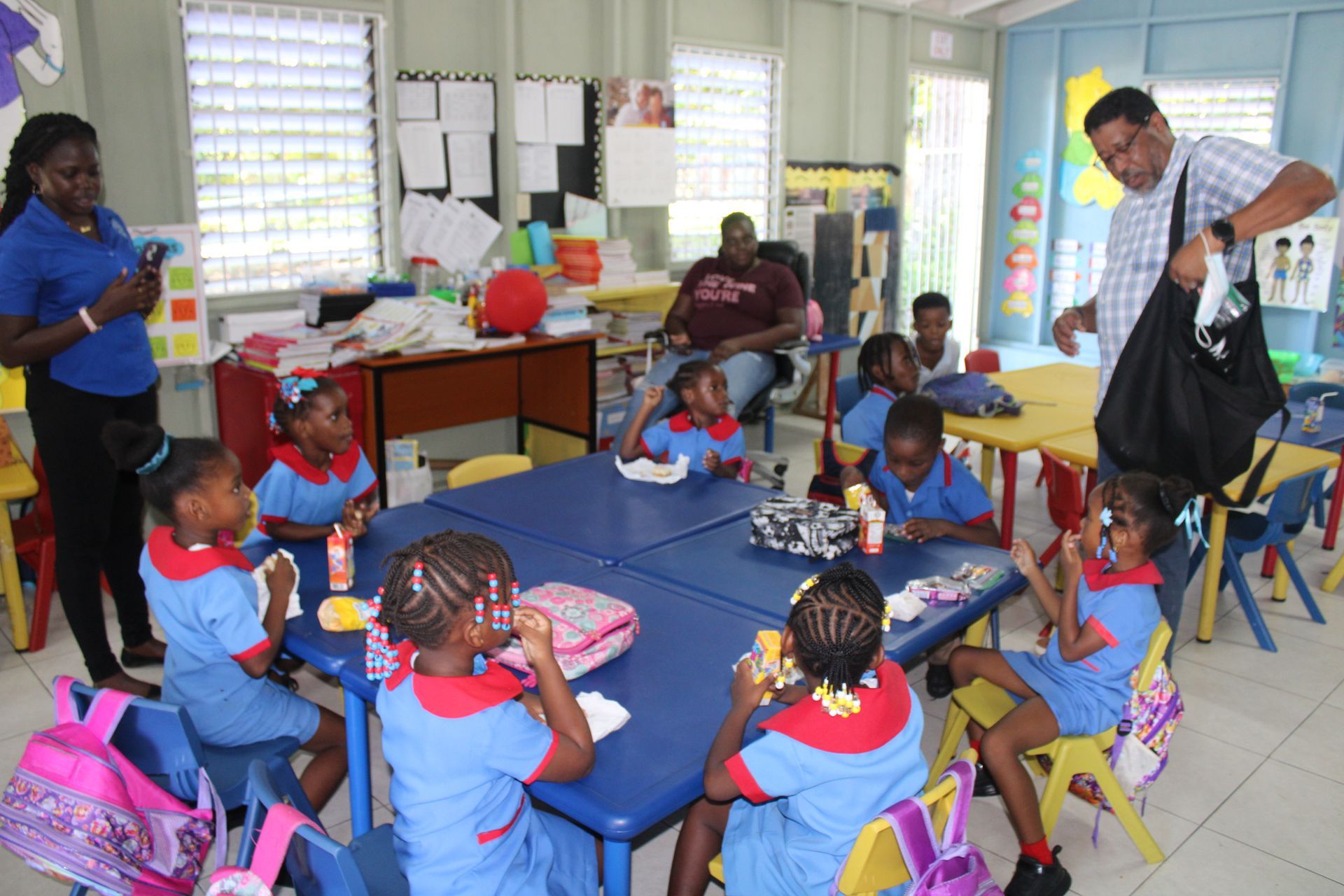
When most people think about a school, they picture classrooms, teachers, textbooks, and students learning new subjects. While education is certainly important, schools in many underserved communities serve a much larger purpose. For families in rural Jamaica, a school is often the foundation that allows an entire community to function. It provides children with a safe place to learn and grow while giving parents the opportunity to work, provide for their families, and contribute to the local economy. In many ways, a school becomes the heartbeat of the community. A Safe Place for Children Every parent wants to know their child is safe. In communities where childcare options are limited, schools provide much more than education. They offer structure, supervision, encouragement, and a caring environment where children can spend their day surrounded by trusted adults. For many families, that peace of mind is invaluable. Knowing their children are safe allows parents to focus on earning a living instead of worrying about what may happen while they are away. Giving Parents the Freedom to Work One of the greatest challenges facing families in underserved communities is balancing work with caring for young children. If a parent must stay home because there is nowhere safe for their child to go, earning a steady income becomes difficult or even impossible. When a local school is available, that changes everything. Parents can seek employment, maintain jobs, or operate small businesses knowing their children are in a safe and supportive environment. A school doesn't simply educate children—it creates opportunities for parents to provide for their families. Supporting the Entire Community The impact extends far beyond individual families. When more parents are able to work, local businesses gain reliable employees. Families have greater financial stability, local commerce continues, and communities become more resilient. Schools become gathering places where relationships are built, hope is strengthened, and neighborhoods grow together. They serve as an anchor that helps communities remain connected during both everyday life and times of hardship. Investing in Stability Today It's natural to think about education as an investment in the future. And it certainly is. But schools also address the needs of today. Every school built creates immediate benefits for families who depend on a safe, reliable place for their children during the day. That stability allows parents to work, children to learn in a caring environment, and communities to continue moving forward one day at a time. A Mission That Strengthens Families At Christos Ministries, building schools is about more than constructing classrooms. It's about creating spaces where children are cared for, families are supported, and communities are strengthened. Every classroom represents more than desks and books. It represents parents who can go to work with confidence. It represents children who have a safe place to grow. It represents communities with greater stability and hope. How You Can Make a Difference Strong communities are built one family at a time. When you support the work of Christos Ministries, you're helping create safe environments where children can learn, parents can work, and entire communities can move toward greater stability. A school is much more than a building. It's a place where hope takes root, families are strengthened, and communities find the support they need to keep moving forward. Because sometimes the most important thing a school provides isn't just an education. It's the opportunity for an entire community to thrive.